Why Janka Ratings and Moisture Metrics Matter
Janka ratings and moisture metrics are critical when specifying hardwood flooring for coastal or high-humidity residential projects. Tone, grain, plank width, and finish establish the visual direction, but long-term performance also depends on wood density, ambient humidity, subfloor conditions, and flooring construction.
Coastal environments can expose hardwood to seasonal humidity changes, moisture vapor, and shifts in indoor conditions. When those factors are not accounted for, the floor may be more vulnerable to cupping, gapping, face-checking, or excessive movement.
For architects, contractors, designers, and specifiers, understanding these measurements helps connect a high-end design concept with a flooring system selected for the actual environment.

What Should Be Evaluated Before Hardwood Installation?
Janka Ratings and Moisture Metrics help specifiers evaluate more than the appearance of a hardwood species. Hardness, moisture conditions, and structural construction should all be considered before installation.
Janka Hardness
Helps compare the resistance of different wood species to denting and everyday residential wear.
Moisture Conditions
Relative humidity, subfloor moisture, and equilibrium moisture content influence how wood responds to its environment.
Core Construction
Engineered core design can help improve dimensional stability when environmental conditions fluctuate.
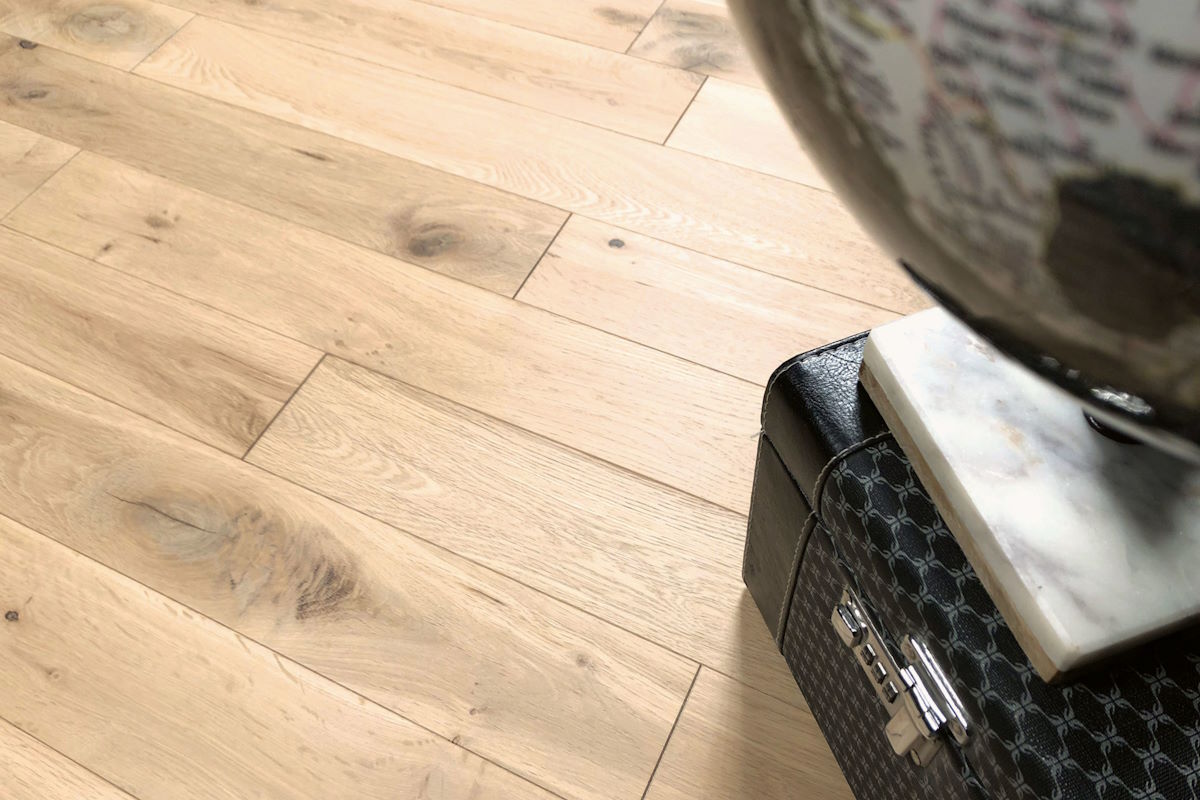
Understanding the Janka Hardness Scale
The Janka hardness test measures a wood species’ resistance to denting and wear by measuring the force required to press a 0.444-inch steel ball halfway into the wood.
A higher rating generally indicates greater resistance to indentation, but the hardest species is not automatically the best choice for every residential project.
Janka ratings and moisture metrics should be considered together with stability, installation conditions, finish selection, and expected traffic. A balanced specification is usually more valuable than choosing a species based on hardness alone.
- Compare resistance to denting and daily wear.
- Evaluate flooring for higher-traffic residential areas.
- Consider hardness alongside environmental stability.
- Review finishing and installation requirements.
- Match the species to the actual use of the room.
Hardness Is Only One Part of the Specification
Different wood species combine hardness, grain structure, movement characteristics, and finish response in different ways.
Domestic & European Species
Species such as European Oak can provide a practical balance of hardness, finish versatility, natural character, and engineered-flooring compatibility.
- Useful balance between durability and design.
- Strong stain and finish versatility.
- Works well in wide-plank constructions.
- Natural grain supports luxury interiors.
Dense Exotic Hardwoods
Denser species may provide greater dent resistance, but they still respond to changes in environmental moisture and require proper site preparation.
- High resistance to indentation.
- May require careful acclimation.
- Installation requirements can differ by species.
- Environmental control remains important.
Relative Humidity, EMC and the Coastal Jobsite
Janka Ratings and Moisture Metrics become especially important on coastal projects built over concrete slabs, crawlspaces, or other moisture-sensitive substrates where environmental conditions require careful evaluation before installation.
Equilibrium Moisture Content, or EMC, is the moisture level wood reaches when it balances with surrounding temperature and relative humidity. Flooring should be evaluated against actual jobsite conditions before fastening or adhesive installation begins.
Concrete slab installations may also require in-situ relative humidity testing, such as ASTM F2170 procedures, to better understand moisture conditions within the slab rather than relying only on surface readings.
Confirm Before Installation
- Jobsite temperature and relative humidity.
- Hardwood flooring moisture content.
- Concrete or subfloor moisture conditions.
- HVAC operation and environmental stability.
- Manufacturer installation requirements.

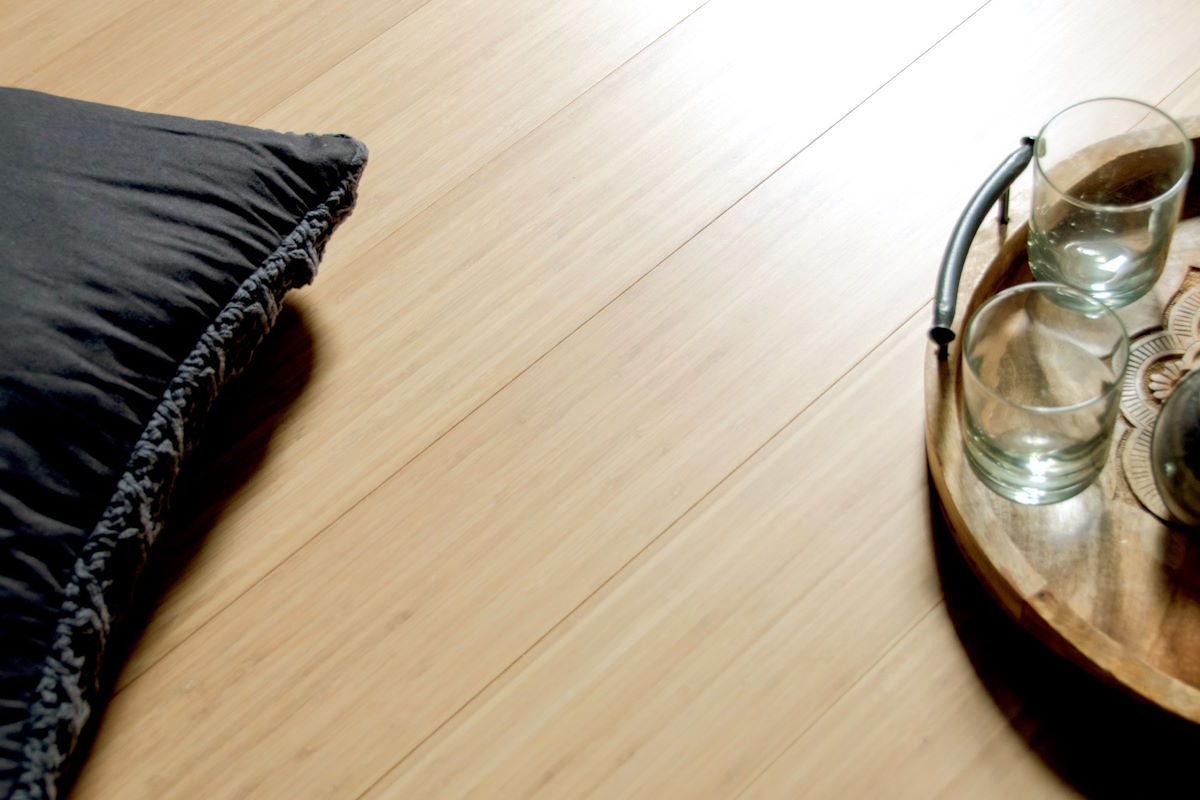
Core Construction Can Help Manage Dimensional Movement
Engineered flooring uses layered construction to help manage the natural expansion and contraction of real wood. Multiple layers arranged in opposing directions can provide greater dimensional stability than a single solid piece of timber.
Premium multi-ply constructions, including Baltic birch core systems, are often considered when stability is a major project requirement. The quality of the core, adhesive system, wear layer, milling, and installation method all affect final performance.
For coastal projects, Janka Ratings and Moisture Metrics should be considered alongside core construction to balance suitable wood hardness, moisture conditions, and flooring stability for the environment.
Explore Engineered HardwoodTechnical Requirements Do Not Mean Sacrificing Design
Once the appropriate construction and environmental requirements are established, designers can focus on the visual characteristics that define the project.
Grain movement, color, plank width, finish, texture, and variation can all be evaluated alongside Janka ratings and moisture metrics instead of being treated as separate decisions.
SeaPort Hardwoods & Flooring offers prefinished hardwood and engineered hardwood options for residential and professional flooring projects.
Request Flooring Samples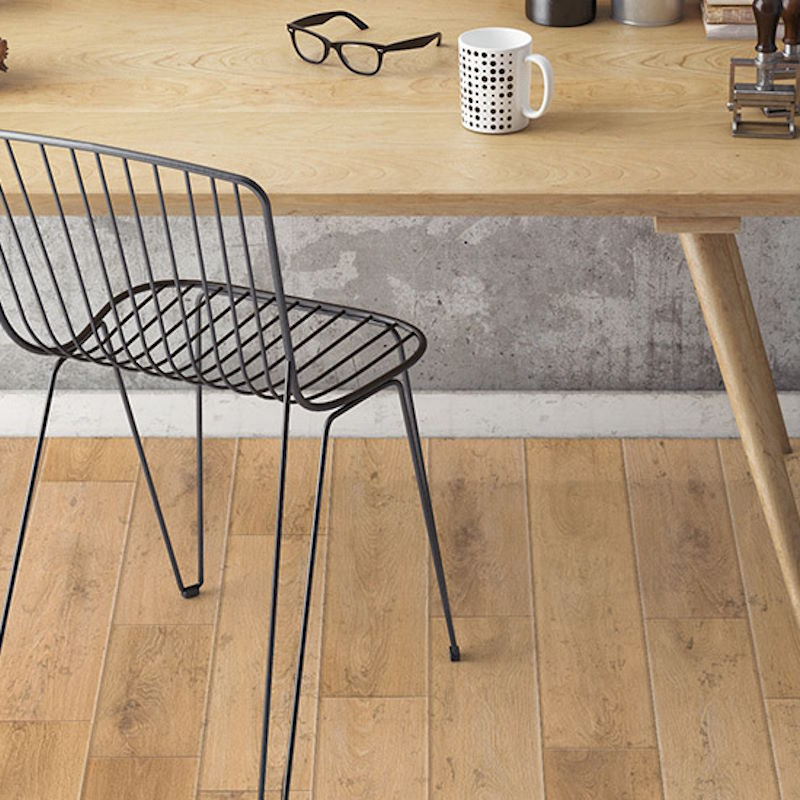
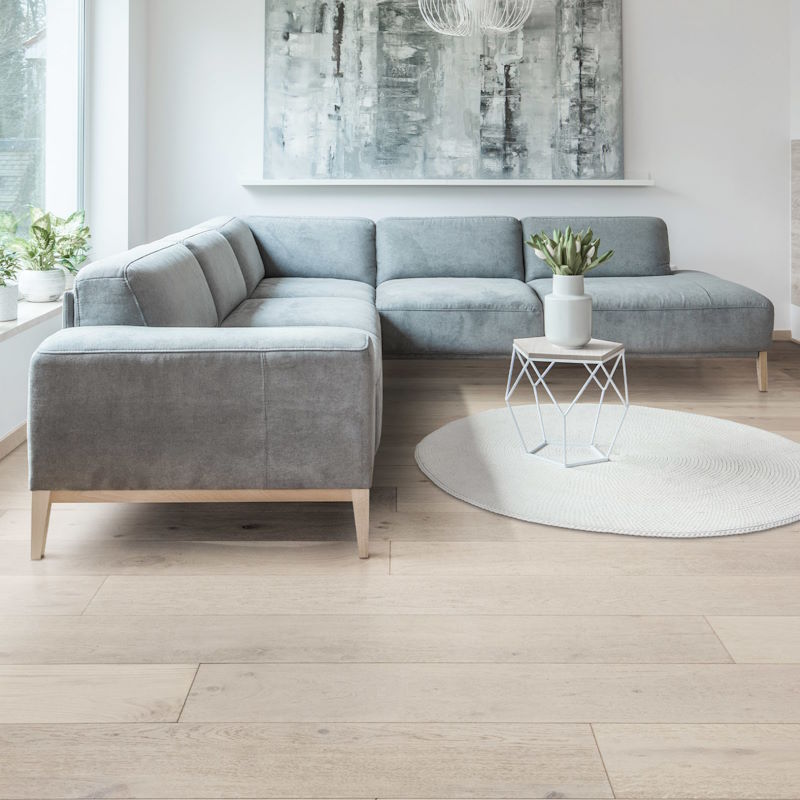
Build the Specification Around the Entire Flooring System
A durable coastal installation requires the material, environment, subfloor, and installation method to work together.
1. Select the Species
Consider Janka hardness, grain, visual character, dimensional behavior, and expected traffic.
2. Verify the Environment
Confirm jobsite relative humidity, flooring moisture content, substrate conditions, and HVAC stability.
3. Match the Construction
Evaluate solid versus engineered flooring, core quality, wear layer, installation method, and manufacturer requirements.
Janka Ratings and Moisture Metrics FAQs
What does the Janka rating measure?
The Janka test measures a wood species’ resistance to denting by recording the force required to press a steel ball halfway into the wood.
Does a higher Janka rating always mean better flooring?
No. Hardness is only one factor. Moisture behavior, dimensional stability, flooring construction, finish, traffic, and installation conditions also matter.
What is equilibrium moisture content?
Equilibrium Moisture Content is the moisture level wood reaches when it balances with the temperature and relative humidity of the surrounding environment.
Why can engineered hardwood work well in coastal projects?
Engineered flooring uses layered construction designed to improve dimensional stability, which can be useful where changing humidity is a concern.
Specify Hardwood With Performance in Mind
Contact SeaPort Hardwoods & Flooring to discuss Janka Ratings and Moisture Metrics while comparing hardwood species, engineered construction, samples, finishes, and flooring options for coastal residential projects.

 Sign up for our